We are syndicating this article from Packaging Strategies.
Attributed to: Ashley Burkle, Director of Business Development at Identiv
- How are packaging and brand teams re-evaluating the role of QR codes as digital engagement strategies and consumer behaviors evolve?
- QR codes once symbolized the future of connected packaging, serving as a simple link between physical products and online experiences. But as brand priorities and consumer expectations have matured, those scan codes are increasingly viewed as temporary and insecure. They fade, can be copied or manipulated, and often disrupt the visual language of the package itself.
- Brands are now asking a different question: how can packaging look better and work smarter? The answer lies in connectivity that’s discreet, secure, and built to last. By embedding digital identifiers that connect directly to intelligent data systems, packaging can serve as both a consumer gateway and a foundation for operational efficiency, transforming it from a static surface into an intelligent and trusted interface between brand and consumer.
- What advantages are embedded technologies like NFC offering that make them more aligned with modern packaging goals?
- NFC is at the forefront of this shift because it’s simple, secure, and seamlessly integrated. Rather than being applied to a disposable outer box, the technology is often embedded directly within the main container itself (such as a jar, bottle, or pouch) so it remains with the product for its entire life cycle. With a single tap, consumers can verify authenticity, access product details, or engage with brand content through a globally accessible, external app-free experience supported by more than three billion NFC-enabled smartphones worldwide.
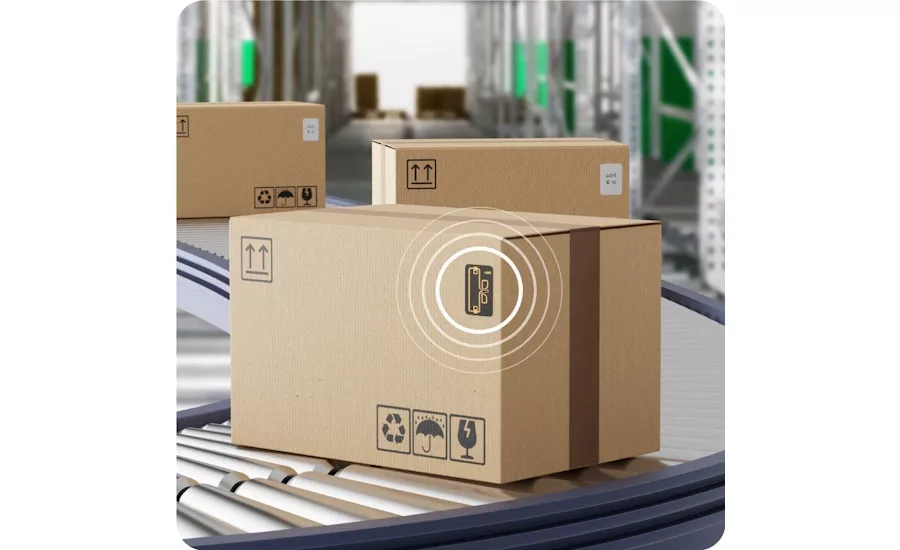
- Beyond convenience, NFC enhances both reliability and design flexibility. Integrated within packaging materials, it withstands wear and environmental exposure, maintaining performance from production through reuse or recycling. Each tag also provides a unique digital fingerprint, giving every product a verifiable identity that supports secure, data-driven engagement. In tandem, this embedded intelligence extends beyond the consumer experience – enabling brands to trace materials, monitor transit conditions, and validate sustainability claims with accurate, real-time data across the supply chain.
- Already, NFC is being adopted across a range of segments, from luxury goods and fine wines to cosmetics and high-performance sporting equipment, each using secure connectivity to reinforce authenticity, provenance, and value. Whether built into a skincare jar, a premium handbag, or a championship jersey, the technology brings digital transparency and engagement directly to the product itself.
- How are design priorities reshaping how and where digital connectivity is embedded within packaging?
- As packaging becomes a more expressive extension of brand identity, design integrity now shapes how connectivity is integrated. Brands are seeking technology that feels native to the product; enhancing the overall design rather than appearing as an added feature. This has led to a mindset shift: digital elements are no longer separate components, but part of the design language itself.
- Advances in ultra-thin NFC inlays and BLE smart labels are enabling this new balance between form and function. Integrated discreetly within materials, these technologies preserve the visual brand goals of packaging while adding subtle intelligence and interactivity. The result yields packaging that communicates authenticity and responsibility through design, demonstrating how digital innovation and craftsmanship can evolve together, not in competition.
- How does Identiv collaborate with brands to bring connected packaging concepts from idea to implementation?
- Identiv takes a deeply collaborative approach to connected packaging, working with brands, converters, and platform partners across a wide variety of industries from concept through production. Engagement begins with a clear understanding of the product’s materials, design goals, and performance requirements, followed by careful development and testing to ensure reliability in real-world use.
- The objective isn’t simply to add connectivity, but to integrate it in a way that feels intrinsic to the product itself. Through close collaboration with technology partners, Identiv develops solutions that seamlessly connect to broader digital ecosystems, enabling secure authentication, transparency, and data intelligence from creation to consumer. In parallel, we’re continuously working to advance the IoT tag technology itself as new packaging types, shapes, and usage environments expand the need for specialized tag designs. Bringing our engineering expertise and vast library of prototypes from a diverse set of custom projects completed over many years, we collaborate on hard to tag items, enabling tags to perform on glass, metal, curved and tiny surfaces, all while continuing to drive down production costs so that brands are able to bring intelligence to new projects and products in ways that feel authentic and built to last.
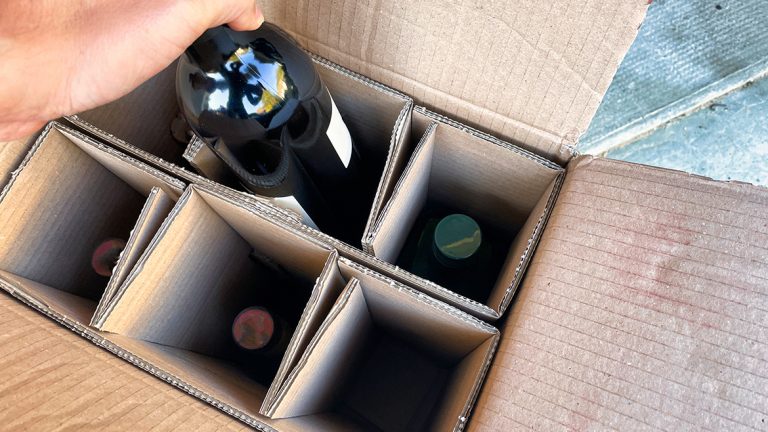
- These approaches came to life in our recent collaboration with ZATAP and Genuine-Analytics. In the wine industry, where counterfeits affect an estimated 20% of bottles in circulation, we combined NFC technology with blockchain to authenticate both the bottles and the wine inside, protecting producers and buyers while creating a transparent digital record of provenance. When every product can verify its own story, trust becomes part of the experience, transforming a quick scan into a lasting sense of connection and credibility. This is just one example of how Identiv is helping brands move beyond connected packaging as a novelty and toward a future where every product carries its own digital identity – intelligent, traceable, and built on trust.
- How is connected packaging evolving the consumer experience – from interaction and personalization to transparency and sustainability?
- Connected packaging has evolved well beyond its early role as a gateway to basic information. It’s now an interactive platform for engagement, authenticity, and loyalty; transforming everyday packaging into a living touchpoint between brand and consumer. With a tap, shoppers can verify authenticity, access curated content, or explore sourcing details, fostering a lasting brand affinity.
- Smart packaging also brings the ease of online loyalty programs directly to the physical product. With Identiv’s NFC-enabled inlays, the product itself becomes a digital gateway that can trigger a reorder page, enroll a customer in a loyalty program, or unlock rewards – all without logins, apps, or extra steps. This immediacy turns one-time purchases into continuous relationships, positioning the product as a catalyst for loyalty and repeat sales.
- Equally transformative is smart packaging’s role in sustainability. In partnership with platforms like Narravero, Identiv’s connected identities can be integrated into Digital Product Passports (DPPs) that capture the complete journey of a product – creating a transparent record of its environmental footprint. Consumers can access verified information on how and where a product was made, turning packaging into a powerful touchpoint for trust and circularity.
- Looking ahead, what innovations and regulatory shifts do you see shaping the next phase of connected packaging and product intelligence?
- The future of connected packaging lies in convergence: smarter materials, unified data standards, interoperable digital identities and consumer expectations for transparency. As global regulations like the EU’s DPP framework accelerate, alongside mandates such as Walmart’s RFID initiative driving serialized product tracking across retail supply chains, packaging is positioned to evolve from a passive container to a central node in product traceability, circular economy systems and engagement.
- Brands will no longer treat connected packaging as a marketing experiment but as an operational necessity; one that enables real-time transparency across manufacturing, logistics, and consumer touchpoints. Identiv is helping drive this transformation by embedding intelligence and trust at the product level, creating packaging that informs, protects, and connects at every stage of its life.